


2026 Hong Kong POS: 5 Operating Pain Points Shop Owners Regret
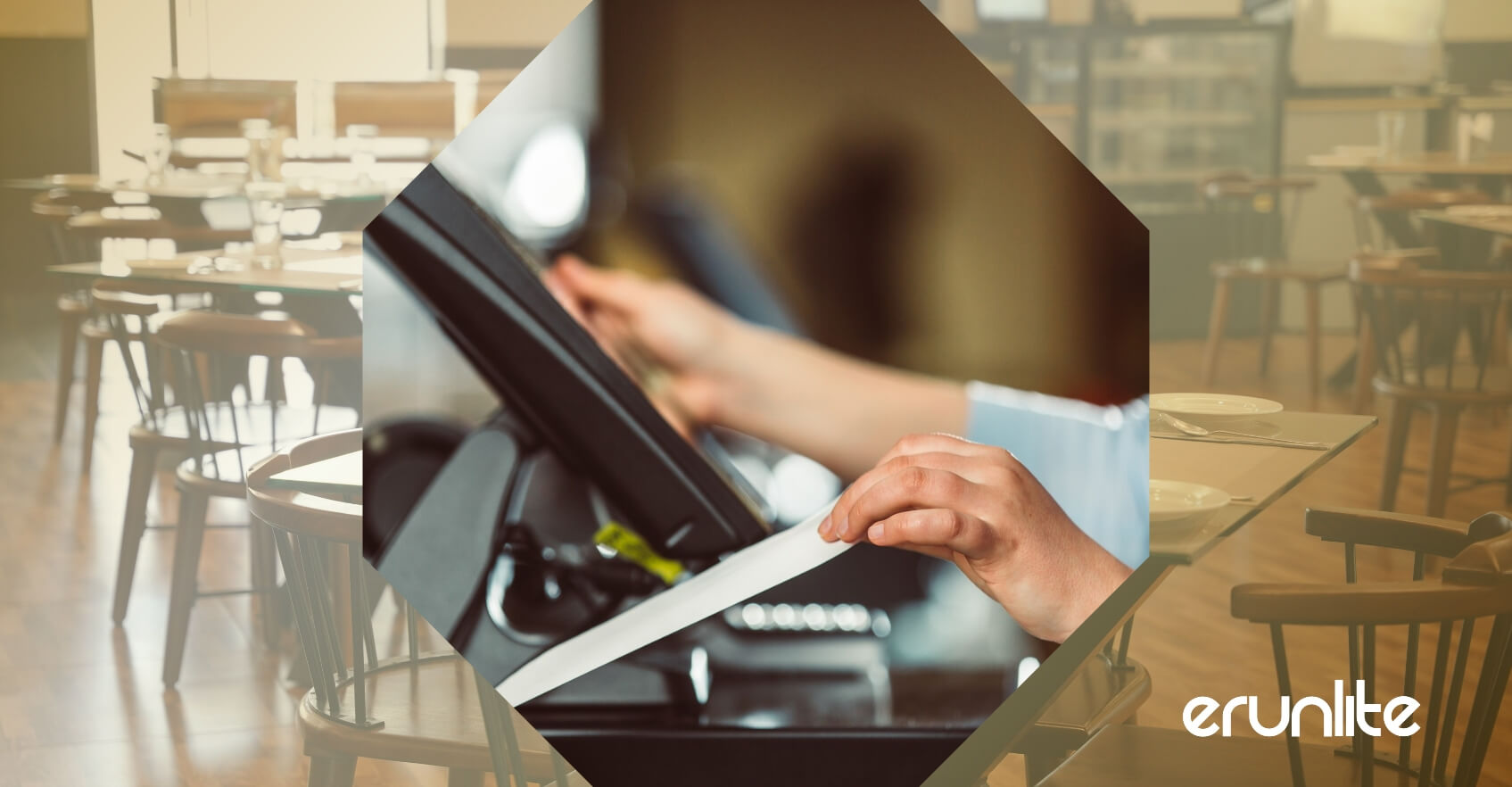
The most expensive lesson in opening a shop is never “I paid too much for a system.” It is “I used the wrong system—and only found out a year later.” Many owners choose a POS system thinking “as long as it works, it’s enough.” But when the shop gets busy, that same system becomes the thing holding the frontline back.
The five scenarios below are real post-mortems from conversations with Hong Kong micro and small merchants—from cha chaan tengs to small retail shops. If you recognise more than two, you probably understand: changing a POS system is not an IT issue. It is a survival issue.
Pain Point 1: More Delivery Platforms, More Missed Orders
In Hong Kong F&B in 2026, delivery is no longer a question of “should we do it?” It is a reality of “how many platforms should we join?” Foodpanda, Keeta—every extra platform means one more tablet at the counter and one more set of operations for frontline staff to remember. During the lunch peak, the floor is already short-handed, yet someone still has to watch two devices, manually copy orders into the POS, and shout them into the kitchen. One missed order is not just one lost sale; it is bad reviews and customers who never come back.
The real solution is not “hire one more person.” It is delivery orders going straight into the POS and straight to the kitchen. eRun Restaurant Edition supports delivery platform integration with major platforms, so orders flow automatically with no manual re-entry. The Kitchen Display System (KDS) routes tickets by station, so everyone can see at a glance which order is delivery and which is dine-in—no more relying on staff shouting tickets across the floor. One less frontline step, one step faster to serve, one fewer missed order.
Pain Point 2: QR Ordering Fails, Staff Clean Up
Many owners think “having QR Code ordering” equals digitalisation. But in reality, if QR ordering does not support multiple specifications and custom modifications, customers who want “no sugar, less ice, extra portion, change drink” simply cannot place the order in the system. In the end, they still raise a hand and ask staff to key it in manually. Worse still, if QR ordering and the POS are two separate systems, the kitchen does not receive the order and the front desk cannot match it—chaos on top of chaos.
In cha chaan tengs, “set meal swaps, no sugar, extra portion” are daily routine, not exceptions. A good QR ordering system must let customers select all modification options themselves, push orders directly into the POS and straight to the kitchen, with zero frontline intervention. eRun’s F&B solution is designed around this logic: self-service QR orders and manual orders run through the same data pipeline, and the kitchen screen treats them equally—no orphan tickets just because “the customer placed it themselves.”
Pain Point 3: Electronic Payments, Nightly Reconciliation Pain
From April 2026, all Hong Kong taxis must offer at least two electronic payment methods, pushing the entire retail and F&B market’s acceptance of electronic payments even higher. Some restaurants report that after installing electronic payments, 90% of customers choose cashless checkout, and they even attract about 10% additional tourist business. But the problem is: being able to collect payment does not mean you can reconcile it properly.
If the POS merely “connects to an external terminal” for Octopus, FPS, and AlipayHK, then every night at closing you have to copy numbers from each device, reconcile manually, and watch transaction fees stack up layer by layer. A truly localised POS should have payment integration built natively into the system: how much was collected, through which channel, and how much the fees were—all visible in one report. eRun integrates more than 20 mainstream local payment methods, with no external terminal and no separate reconciliation. At closing, one button produces the end-of-day report.
Pain Point 4: Inventory Sold Out Before You Notice
Many small shops in Hong Kong are not purely retail or purely F&B. They run a hybrid model: selling goods at the front and cooking at the back. The same pack of instant noodles can be retail stock on the shelf and F&B stock in the kitchen. If the two sides use different systems, or inventory is not synced, you get phantom inventory: the shelf shows stock, the kitchen keeps selling, but the stock is actually gone.
eRun’s Retail Edition and Restaurant Edition share the same underlying inventory management logic. Retail barcode scans and F&B orders automatically deduct from the same inventory pool—no need for two systems or two sets of numbers. For owners who start with one shop and gradually add product lines, this “one system managing two businesses” design is more practical than any fancy feature.
Pain Point 5: POS Upgrade Fears: Closing the Shop
Many owners know their existing system is not good enough, but they delay switching. The biggest psychological barrier is: “What happens to the shop during the few days we switch systems?” For shops doing more than 100 orders a day, one day closed is real money lost.
eRun’s deployment logic targets this fear directly: you can start work with one iPad or phone. This solution has won the HKICT ICT Business Gold Award twice (2018 and 2023)—not for fancy features, but for the practicality of “upgrading without closing the shop.” Advanced features—multi-device access, member points, advanced inventory, delivery integration—can be switched on as needed, without bundling a pile of modules you will never use. You can move smoothly from the basic version to the upgraded version, and even to multi-store management when you open branches later. The same system grows with the shop—no rip-and-replace.
Use the Right System, Regret Less
In 2026, Hong Kong small shops are already running on thin margins. The value of a POS system is not how long its feature list is. It is whether it makes the frontline one step faster, the back office one step more accurate, and the owner sleep better at night. eRun is not here to make you do the most. It is here to make you regret the least.


