


Brick-and-Mortar to E-Commerce: Avoid Siloed Online & Offline Channels
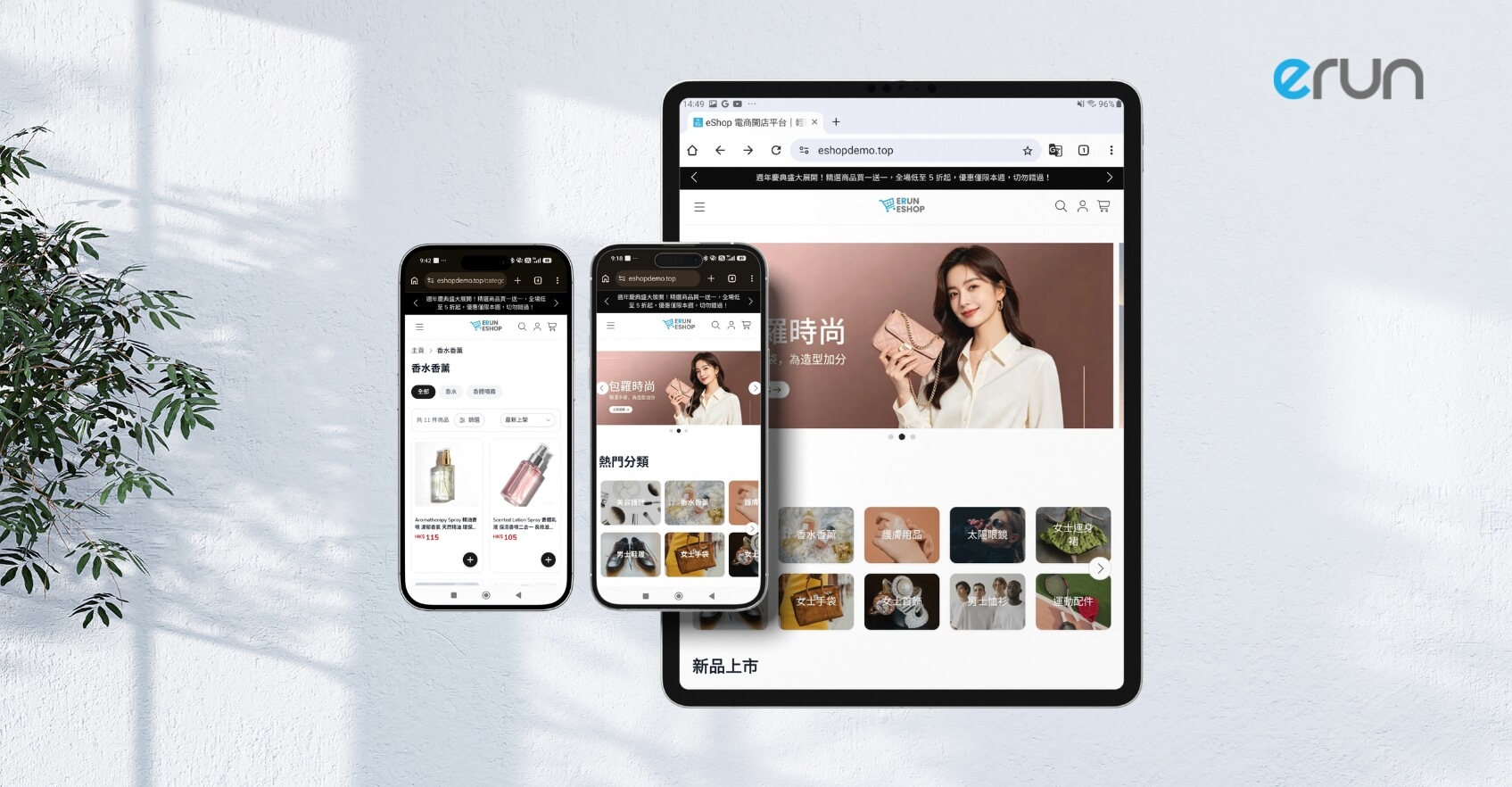
Opening an online store isn’t as simple as “launching another website”
In September, Sa Sa announced a profit alert, expecting interim net profit to surge nearly twofold year-on-year. One of the key growth engines was the rapid increase in B2C online sales and profitability. Sa Sa’s success proves one thing: when online and offline operate in synergy, an online store is not just another sales channel — it’s a catalyst for overall business growth.
But many brick-and-mortar owners share the same confusion: “Why has my business shown little improvement after opening an online store, yet my workload has actually increased?” The reason is simple — your online and offline operations are siloed.
The Three Major Pitfalls of the Traditional Online Store Model
- Inventory out of sync, overselling goes unnoticed: Sell in-store, and the online store doesn’t deduct; order online, and the item may already be sold out at the shop. The result: overselling, cancelled orders, endless customer complaints, and frontline staff scrambling to fix the mess.
- Members not connected, loyalty resets to zero In-store points and coupons are not recognised online:Customers must re-register and re-accumulate points. A loyal regular is treated as a brand-new customer by your online store.
- Separate backends, double the workload :Changing prices or checking reports requires logging into two systems and switching back and forth. More work done — but the business may not grow.
This “cash register + website” model doesn’t scale your business — it doubles your burden.
The Real Solution: O2O Integration
A next-generation online store should not be “another website” standing apart from your physical shop. It should be a natural extension of your brick-and-mortar store — a sales channel that seamlessly connects with your POS system and syncs automatically. That’s exactly the design philosophy behind eRun e-Shop:
- Automatic product sync: Enter a new item in your POS system, and it goes live on your online store automatically — no duplicate data entry. Change a price or description, and both sides update instantly.
- Real-time inventory updates: Online and offline share the same inventory data. Sell one item, and both sides deduct simultaneously — completely eliminating overselling.
- Members, points, and coupons unified across all channels: Points earned in-store and coupons collected are fully redeemable online. Consistent benefits across online and offline mean members are naturally willing to shop through both channels.
- One system to manage your entire business: In-store orders, online orders, member data, and sales reports — all visible at a glance in the same backend. Owners can make decisions without manually consolidating reports.
Why is eRun e-Shop different from other online stores?
Because eRun is already the POS system your shop uses — and e-Shop is its online extension. You don’t need to learn an entirely new system, manually sync data, or worry about online and offline mismatches. This isn’t “opening another online store” — it’s “extending your existing POS directly onto the web.”
The same data, the same inventory, the same members, the same backend — that is true online-to-offline integration.
If you already have a physical store and want to open an online shop without learning a new system; or if you’ve tried third-party platforms but struggled with mismatched online and offline data, manual inventory syncing, report consolidation, and member point handling — eRun e-Shop is your answer.


